Blue Cheese
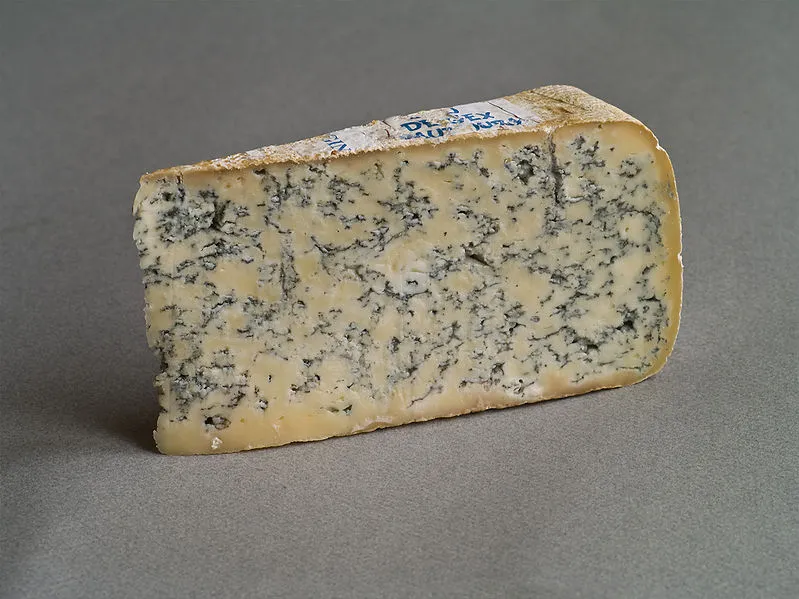
Blue-veined cheese, also simply called Blue cheese, is a generic term used to describe cheese produced with cow's milk, sheep's milk, or goat's milk and ripened with cultures of the mold Penicillium roqueforti. The final product is characterized by green, grey, blue or dark veins or spots of mold throughout the cheese paste. These veins develop naturally. During the maturation process, the cheese is “spiked” with stainless-steel rods to let the oxygen circulate and allow the mold to grow. This process also softens the texture of the cheese and helps creting its distinctive flavor.Blue cheese is hence cheese known for its distinct blue mold appearance and strong flavor. It is often characterized by a crumbly texture and pungent aroma. But what exactly is blue cheese, and does it actually contain mold? Let's explore the origins, types, making process, ingredients, history, nutritional content, and food safety of this unique cheese. Blue cheese has a rich history dating back thousands of years. Its origins can be traced to various regions, including France, England, and Italy.However, it was in France where the famous Roquefort blue cheese was first made and gained recognition. Today, blue cheese is produced in different countries around the world, each contributing their own unique variations and flavors. One of the most renowned blue cheese-producing regions is Roquefort-sur-Soulzon in France. The cheese is legally protected and can only be called Roquefort if it comes from this specific region and is made according to traditional methods. There are several types of blue cheese, each with its own distinct characteristics. Some popular varieties include Roquefort, Gorgonzola, Stilton, and Danish blue. Roquefort, as mentioned earlier, is a French blue cheese made from sheep's milk and aged in natural caves. It has a tangy and earthy flavor. Gorgonzola, originating from Italy, is made from cow's milk and has a creamy texture with a slightly sharp taste. Stilton, a classic English blue cheese made from cow’s milk, is known for its crumbly texture and mellow flavor. It is made from cow's milk and has a rich, creamy texture. Danish blue, as the name suggests, hails from Denmark and is made from cow's milk. It has a sharp and salty taste, with a slightly crumbly texture. The process of making blue cheese involves specific steps to encourage the growth of the characteristic blue mold.First, the cheese is typically made from cow's, sheep's, or goat's milk. The milk is curdled using rennet or other coagulating agents, and then the curds are cut and separated from the whey. After the curds are formed, they are mixed with Penicillium roqueforti, which is responsible for the growth of the blue mold. The cheese is then shaped into wheels or blocks and left to age for a period of several weeks to several months in cool, humid environments. During the aging process, the blue mold develops, creating the distinctive blue veins throughout the cheese. The aging process can radically impact the flavor and texture of the blue cheese, resulting in a range of tastes from mild and creamy to strong and crumbly. Blue cheese is primarily made from milk, typically cow's, sheep's, or goat's milk.The type of milk used can influence the flavor, texture, and overall characteristics of the cheese. Some blue cheeses, like Roquefort, are made exclusively from sheep's milk, while others, such as Gorgonzola and Stilton, are typically made from cow's milk. In addition to milk, blue cheese also contains starter cultures, which help initiate the fermentation process, and rennet or other coagulating agents, which help form the curds. The addition of Penicillium roqueforti cultures and controlled aging conditions then allow for the distinctive mold to develop and create the blue-veines or green-veines or even dark-veines on the cheese. The exact origins of blue cheese are difficult to pinpoint.However, it is believed that the process of intentionally introducing mold to cheese dates back to ancient times. Early cheese manufacturers discovered that certain mold strains added unique flavors and characteristics to their products. Roquefort, one of the first blue cheeses to gain worldwide recognition, can be traced back to ancient Greece and Rome. The cheese-making techniques were refined over centuries, culminating in the distinct blue cheese we know today. Blue cheese is relatively low in carbohydrates, making it suitable for individuals following low-carb or keto diets. The exact carb content can vary depending on the specific type and brand of blue cheese.On average,blue cheese contains around 0-2 grams of carbohydrates per ounce (28 grams). It's important to note that blue cheese is also a good source of protein and fat, which can help keep you feeling satisfied and provide essential nutrients. The characteristic blue color of blue cheese is a result of the growth of specific strains of Penicillium roqueforti mold. During the cheese-making process, the mold spores are intentionally introduced to the cheese, and as the cheese ages, the mold begins to grow and spread throughout the cheese. The blue mold, Penicillium roqueforti, produces pigments that give the cheese its distinctive blue or green veins. Blue-veined cheeses, such as Roquefort, Gorgonzola, and Stilton, are characterized by the presence of blue or blue-green mold veins throughout the cheese. This mold, typically Penicillium roqueforti, is intentionally introduced during the cheese-making process and contributes to the cheese's distinct flavor and aroma.The way the mold develops can create different hues, either blue, green, or even dark spots of mold, which are normal and do not represent any health issues, as long as the cheese is maintained in adequate conditions of temperature and humidity while in the maturation rooms or stored in adequate packaging in your fridge. Despite the presence of mold, blue cheese is safe to eat when produced and stored properly.The mold used in blue cheese is not the same as the mold that can spoil other foods. The Penicillium roqueforti mold in blue cheese helps inhibit the growth of harmful bacteria and contributes to the unique flavor and texture of the cheese. However, it's important to note that individuals with compromised immune systems or specific medical conditions should exercise caution when consuming blue cheese or any other cheese made with mold. It is always advisable to consult with a healthcare professional if you have any concerns. Blue cheese, like many types of cheese, is rich in nutrients. It is a good source ofcalcium,protein, andvitaminssuch as vitamin B12. However, blue cheese is also high in fat and sodium, so it should be consumed in moderation, especially for individuals on restricted diets. Blue cheese tastes best served with crackers, pears, raisins, fruit bread, and walnuts.You can also crumble the cheese and melt it into sour cream, plain yogurt, or mayonnaise as a dressing. In summary,blue cheese is a unique and flavorful cheese that has been enjoyed for centuries. Its distinctive blue mold appearance and strong taste make it a favorite among cheese enthusiasts. From its origins in France to the various types produced around the world, blue cheese offers a wide range of flavors and textures. Whether enjoyed on its own, crumbled into salads, or used as an ingredient in recipes, blue cheese adds a distinct and delicious element to any dish. So, the next time you come across blue cheese, rest assured that it's not just mold, but a product of carefully crafted cheese-making techniques.
Caracteristiques
- Famille
- Pâte persillée
- Type de lait
- Brebis, Chevre, Vache