Cheddar Cheese
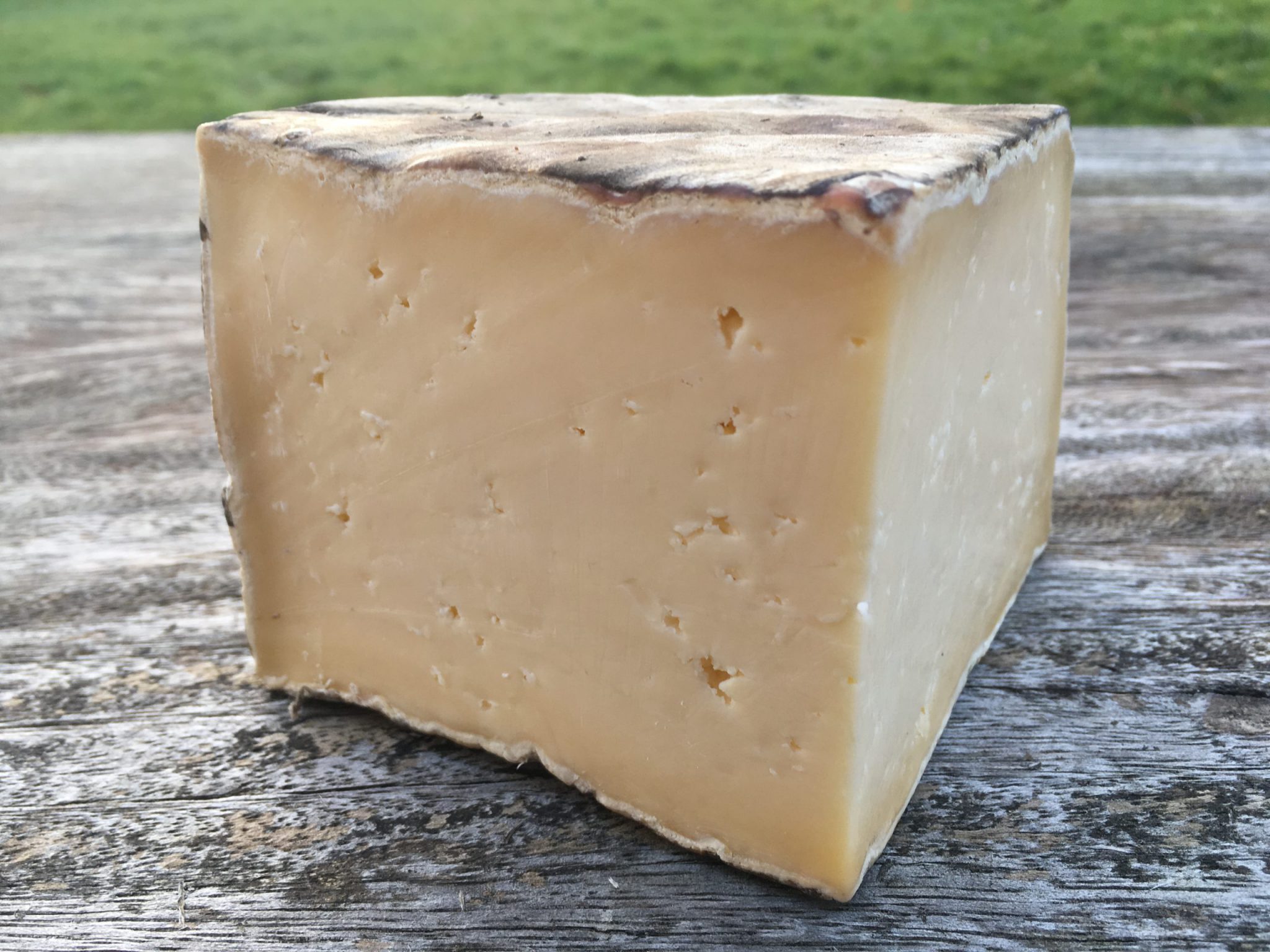
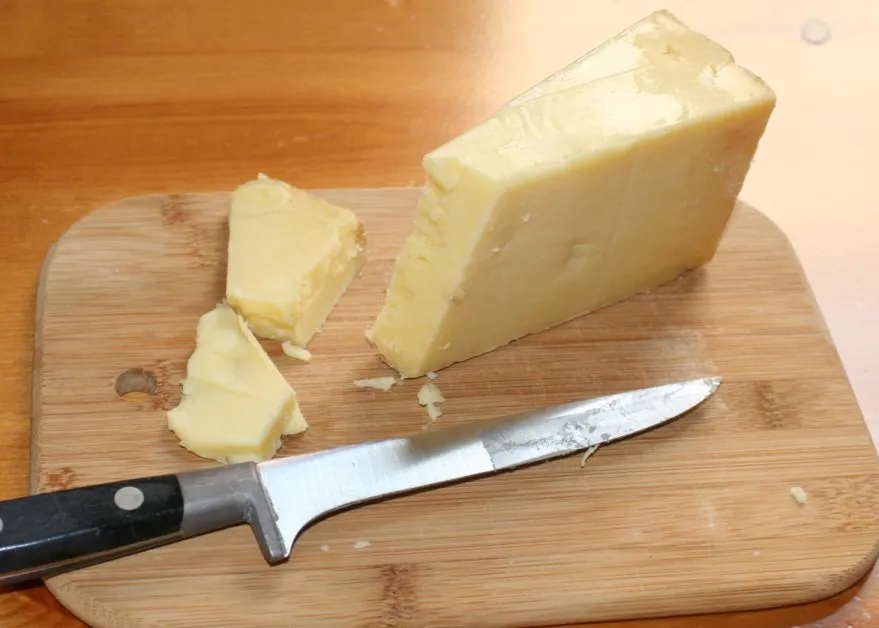
Cheddar cheese is a popular type of cheese that originated in the village of Cheddar in Somerset, England.It is known for its distinct flavor, versatility, and vibrant orange color. In this article, we will explore what cheddar cheese is made of, its taste, shelf life, nutritional value, and its origins. Production of the cheese dates back to the 12th century and it is now made in various countries around the world, but the original and most well-known version comes from England. It is one of the world's most widely consumed and recognized cheeses. Cheddar is typically made from cow's milk, although variations using goat's or sheep's milk also exist. Cheddar is known for its rich and creamy texture and sharp and tangy flavor. The color of the cheese ranges from white to pale yellow or orange, depending on the addition of food coloring. Some Cheddars are aged for a few months, while others are aged for several years. Cheddar cheese can be found in blocks, slices, shredded, or even powdered (as in powdered cheese used for making macaroni and cheese). It's a versatile cheese used in sandwiches, burgers, soups, salads, and casseroles. It can also be enjoyed with fruits, crackers, and wine. Cheddar cheese is typically made from cow's milk, although it can also be made from goat's milk or sheep's milk.The process of making cheddar cheese involves several steps. First, the milk is heated, and rennet is added to thicken it. Then, the curds are cut into small pieces and cooked further to expel more whey, which is the liquid component of milk. The curds are then salted and pressed into molds to remove any remaining moisture. Finally, the cheese is aged for varying periods, which contributes to its flavor and texture. During the aging process, cheddar cheese develops its characteristic sharpness and tangy flavor. The longer the cheese is aged, the sharper and more complex its taste becomes. Cheddar cheese can be aged anywhere from a few months to several years, with some artisanal varieties being aged for even longer periods. The aging process is crucial in developing the unique flavor profile of cheddar cheese, as it allows enzymes to break down proteins and fats in the cheese, leading to the formation of new compounds that give cheddar its distinct taste. There are many regional and international variations of the cheese, and it comes in different flavors and textures. Some well-known types of Cheddar include mild, medium, sharp, and extra sharp Cheddar. Cheddar cheese is a versatile cheese that can be enjoyed in a variety of ways. It is commonly used in cooking, as it melts well and adds a rich, creamy flavor to dishes such as macaroni and cheese, grilled cheese sandwiches, and cheeseburgers. Cheddar cheese is also a popular choice for cheese boards and platters, where its sharp flavor pairs well with fruits, nuts, and cured meats. Whether enjoyed on its own or as part of a delicious recipe, cheddar cheese is a beloved cheese that has been enjoyed for centuries. Cheddar cheese offers a delicious balance of sharp tanginess and mellow creamy delights.Its rich, savory flavor can range from mild to sharp, depending on its age. Younger cheddar tends to be milder and creamier, while aged cheddar develops a sharper, more pronounced taste. The flavor of cheddar cheese is influenced by factors such as the quality of the milk, the production process, and the length of aging. This unique balance of flavors makes creaminess, making cheese a versatile and intriguing choice for various culinary applications. One interesting aspect of cheddar cheese is its texture. When young, cheddar cheese has a smooth and slightly elastic texture that becomes more crumbly as it ages. This change in texture is due to the breakdown of proteins and fats in the cheese during the aging process. The crumbly texture of aged cheddar adds a delightful complexity to its overall eating experience, making it a favorite among cheese connoisseurs. Furthermore, the color of cheddar cheese can vary depending on the presence of additives like annatto, a natural dye used to give the cheese a rich yellow hue. Annatto is a natural food coloring derived from the seeds of the achiote tree, and it is commonly used in cheddar cheese production to enhance its visual appeal. While traditional cheddar cheese is white, many consumers associate the vibrant orange color with this beloved cheese variety. The color of cheddar cheese does not affect its taste but adds to its visual appeal, making it an attractive choice for cheese platters and dishes where presentation is critical. The shelf life of cheddar cheese can vary depending on factors such as its age, storage conditions, and whether it has been opened or not.Generally, unopened cheddar cheese can last for several months when stored correctly in a cool and dry place. Once opened, cheddar cheese should be wrapped tightly in plastic wrap or placed in an airtight container to prevent it from drying out and absorbing unwanted odors. Properly stored, opened cheddar cheese can last for up to a few weeks in the refrigerator. When it comes to cheddar cheese, one of the main differentiating factors is the degree of sharpness.Sharp cheddar cheese is aged for a more extended period, usually over a year, resulting in a more robust and intense flavor. It has a crumbly texture and a biting taste that lingers on the palate. On the other hand, mild cheddar cheese is younger and has a mellower flavor profile. It is often smoother and creamier in texture, with a less pronounced tanginess. The choice between sharp and mild cheddar cheese ultimately comes down to personal preference and the desired taste for a particular dish. Cheddar cheese is relatively low in carbohydrates, making it a suitable option for those following a low-carb or ketogenic diet.On average, cheddar cheese contains less than 1 gram of carbohydrates per ounce (28g). However, it is essential to note that flavored or processed varieties of cheddar cheese may contain additional carbs due to added ingredients. Checking the nutritional information on the packaging can provide a more accurate measure of carb content in specific cheddar cheese products. Cheddar cheese is a good source of protein and essential nutrients. In addition to its protein content, cheddar cheese provides calcium, phosphorus, and vitamin B12.However, it is also relatively high in calories and saturated fat, so moderation is key. The exact nutritional profile of cheddar cheese can vary based on factors such as the milk used, fat content, and aging process. For accurate information on the calories and nutrients in a specific cheddar cheese product, refer to its packaging or consult a nutritional database. As mentioned earlier, cheddar cheese originates from the village of Cheddar in Somerset, England. The production of cheddar cheese can be traced back as far as the 12th century in this region. Traditional cheddar cheese was typically made from the milk of local Somerset cows, known for their rich and creamy milk. Over time, the popularity of cheddar cheese spread, and it is now produced and enjoyed in most parts of the world. However, cheddar cheese from Somerset, England, is still prized for its authentic flavor and heritage. Cheddar cheese is a versatile and delicious cheese that has been enjoyed for centuries. Whether mild or sharp, its distinct flavor profile and vibrant orange color make it a favorite among cheese enthusiasts. From its traditional roots in Somerset, England, to its presence in countless recipes worldwide, cheddar cheese continues to be a beloved and iconic choice for both everyday meals and gourmet creations.
Caracteristiques
- Famille
- Pâte pressée non cuite