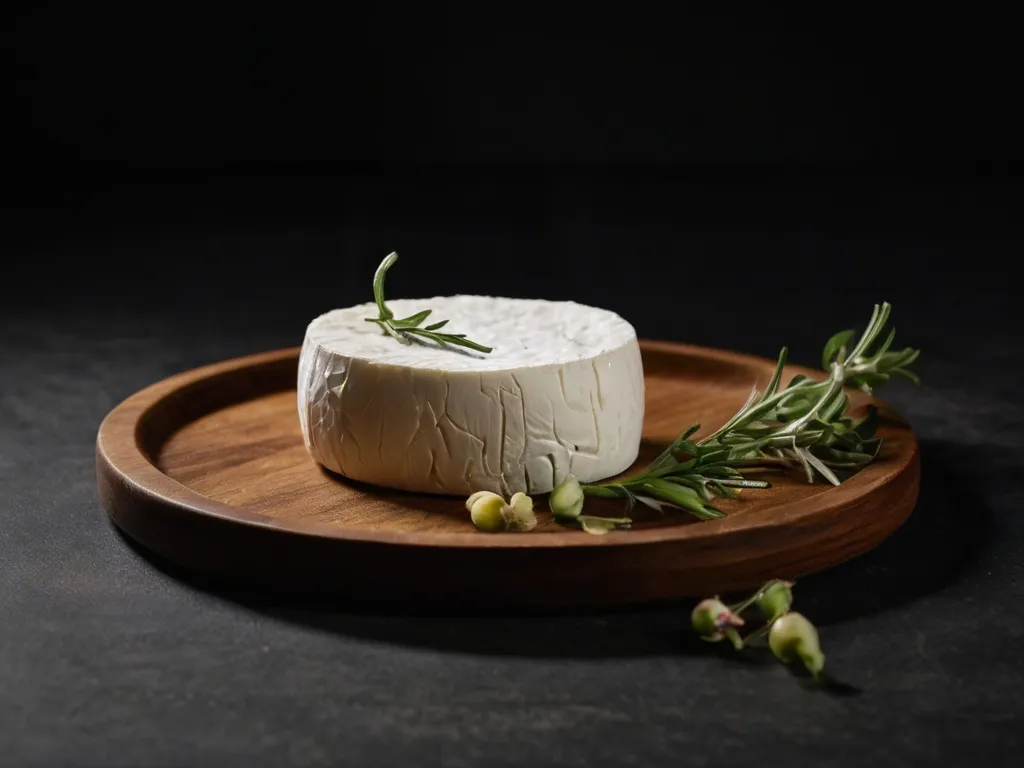
Goat Cheese
Goat cheese, also known as Chevre cheese, is - as the name suggests - a type of cheese made from goat's milk. Its origins trace back to the 8th century when Moors introduced goats to the Loire Valley, and soon after, locals began to produce the rich and creamy cheese we know and love today. Indeed, the word Chèvre provides all the clues you need to understand the origin of this cheese; in French, it simply means ‘goat.’ Goat cheese is a highly versatile ingredient well suited to a variety of dishes. Like most cheeses, it is relatively high in fat, a characteristic that brings depths of flavor to whatever you add it to. But it also provides a unique tanginess that beautifully complements its creamy texture. Chèvre cheeses come in different shapes, sizes, and textures, offering a wide variety of flavors. When it comes to the health benefits of goat cheese, it offers several advantages over other types of cheese. To start with, while not wholly lactose-free, goat cheese does contain relatively low levels of lactose - considerably less so than cow’s cheese. It’s also not as fatty as some cheeses, though still not as light as mozzarella and ricotta. Goat cheese is also a good source of protein, calcium, and vitamin D, which are essential for bone health. It is rich in beneficial fatty acids like medium-chain triglycerides, and there is enough Omega 3 oil present in the cheese to positively affect health. There are also plenty of probiotics in goat cheese, so consuming it in moderation supports gut health and promotes digestive well-being. Although mass-produced goat cheese is available in stores, much of the goat cheese you find elsewhere is crafted using traditional methods, with many artisanal cheesemakers focusing on small-batch production. As with most cheeses, meticulous attention to detail and dedication to artisanry ensure the highest quality and flavor. The result is a cheese that not only tastes delicious but also carries a sense of heritage and authenticity, making each bite a unique experience. Goat cheese offers a good balance of macronutrients and micronutrients. A 1-ounce (28g) serving typically contains approximately 70-100 calories, depending on the variety and brand. It provides around 5 grams of protein, 6 grams of fat, and 0 grams of carbohydrates. The actual nutritional content may vary, so it's always advisable to check the label for precise information. In terms of micronutrients, goat cheese is an excellent source of calcium and iron; an ounce provides around 3% of the daily recommended intake of both. It also contains phosphorus, potassium, magnesium, and vitamins such as vitamins A, B2 (riboflavin), and B6. Yes. The term ‘dairy’ typically refers to products made from cow's milk but also includes other types of mammal milk like goats and sheep. Goat milk possesses many unique characteristics, and its inimitable composition creates a flavor profile that sets it apart from cow’s milk. Such differentials are of particular interest to the lactose-intolerant since the proteins in goat's milk are structurally different from cow's milk, making them easier to digest for some individuals. However, from a culinary perspective, goat cheese is often used interchangeably with cow’s milk: swirled into pasta sauces, spread upon a cracker, and sometimes made into ice cream. Feta cheese is often associated with goat cheese due to its similar crumbly texture and tangy flavor. However, while goat cheese can be used to make feta-style cheese, not all feta cheese is made from goat's milk. Traditional feta begins life as sheep's milk or a blend of sheep's and goat's milk that has been carefully chosen to maximize flavor potential. That said, many people swear by the merits of goat milk feta, praising its milder flavor and creamier texture over the slight tartness of its sheep milk brethren. Yes, Goat Cheese and chèvre are often used interchangeably since the words mean the same thing but in different languages. Chevre is a French term, meaning "goat" in English. It is used to describe any type of cheese made exclusively from goat's milk. Chevre cheese can vary in texture and flavor, ranging from soft and creamy to firm and crumbly. Goat cheese is a versatile cheese that can be enjoyed on its own. It is delicious, crumbled over salads, melted into sauces, or spread on crusty bread. Making goat cheese at home can be a rewarding experience for cheese lovers. The process involves several steps, but the first thing you’ll need – unsurprisingly – is some fresh goat’s milk. The end result is a delectable goat cheese ready to be savored in various culinary creations. Goat cheese varies in texture and flavor, depending on where and how it was made. It can be soft and creamy or firm and crumbly, but flavour-wise, it has a distinctive, tart taste that is hard to forget once you’ve tried some. Ranging from creamy at the bottom end to sharp and tangy at the top, its unique, sometimes pungent taste adds a distinctive aroma to dishes, often elevating them to new heights. Its versatility in the kitchen makes it a definite chef favorite as it allows for endless creative possibilities, whether crumbled over salads, melted in sandwiches, or baked into savory tarts and even incorporated into desserts. There is sometimes a slight funk to the cheese, but it's not always present; some varieties of goat cheese have a delicate amount of sweetness that overrides the gamey notes present in others. The age of the cheese plays a part in the eventual flavor, with young cheese offering a slightly acidic experience and older cheese providing earthy, sometimes even floral notes. Chèvrecheese is a delightful and versatile cheese made from goat's milk. It offers numerous health benefits, including easier digestibility and lower fat content than cow's milk cheese. Goat cheese is a good source of protein, calcium, and essential vitamins, making it a nutritious addition to any diet. Whether enjoyed on its own, used as a topping, or incorporated into various dishes, goat cheese's unique flavor and creamy texture are sure to please even the most discerning palates.
Caracteristiques
- Famille
- Pâte fraîche
- Type de lait
- Chevre


