Kasseri
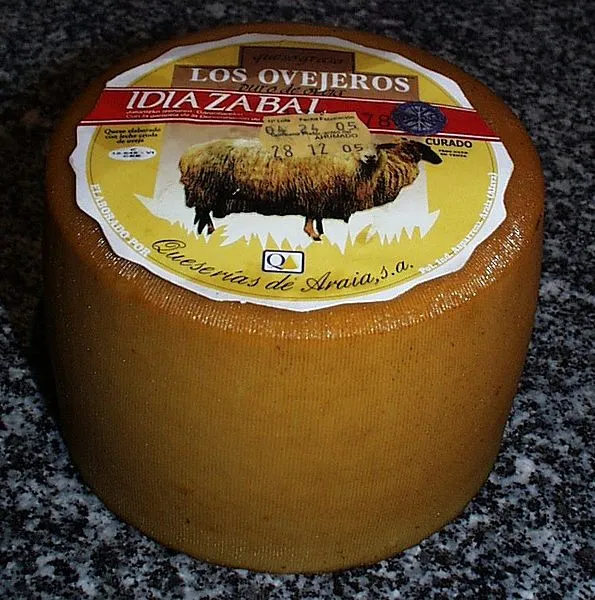
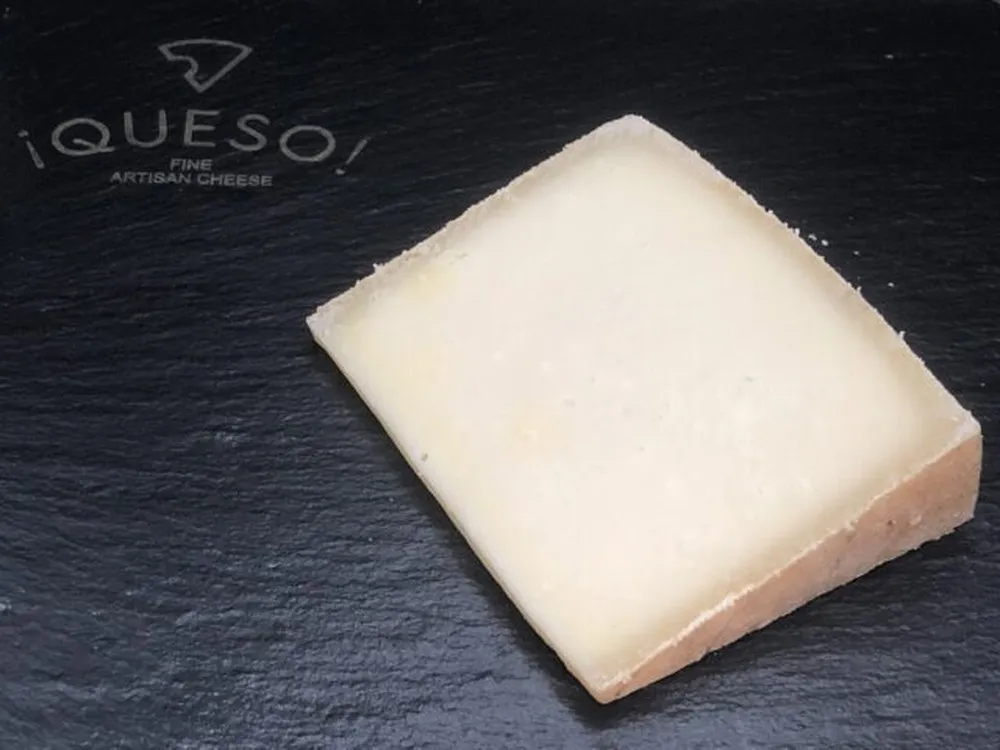
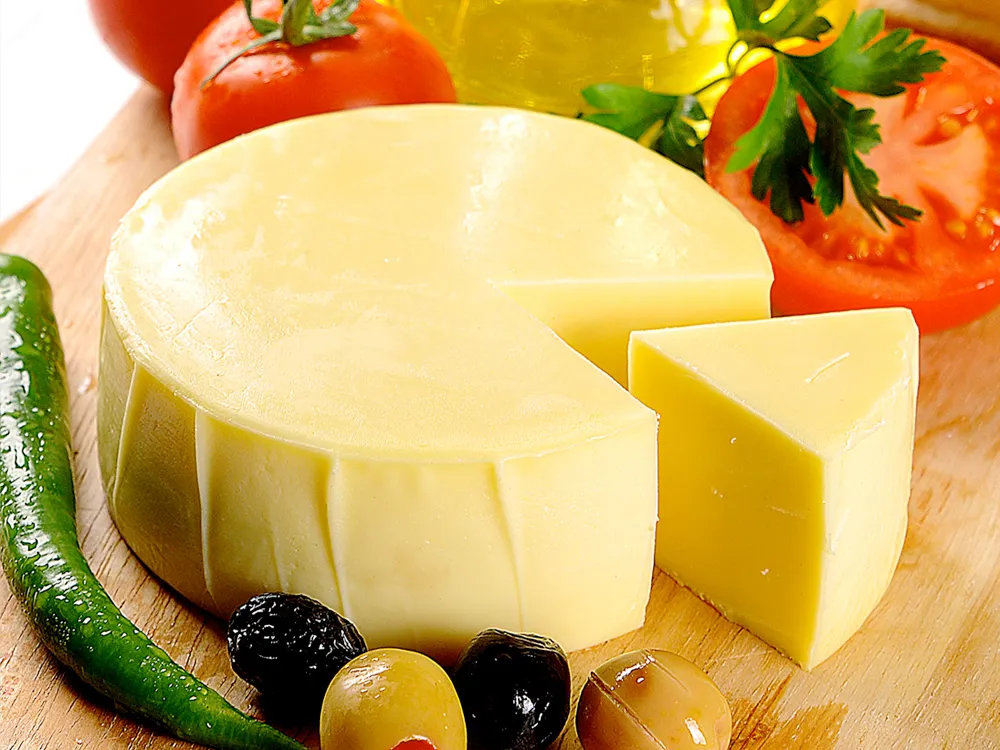
Kasseri – a Greek cheese made from sheep's milk or a combination of sheep's and goat's milk – is a semi-hard cheese with a smooth texture and a flavor that's more than just a little tangy. It's a flavor that's unique, distinct, and utterly delicious. The cheese is named after the region of Kassos in the Aegean Sea, where it is believed to have originated. Kasseri is a PDO cheese requiring production in Greek regions like Thessaly, Macedonia, Lesbos, or Xanthi. A similar cheese is also found in Turkey, Romania, and the Balkans, known as kashkaval. The production process involves curdling milk using rennet and then aging it for several months. This maturation contributes to the development of the cheese's distinct flavor and texture. Kasseri is often used in Greek cuisine and is enjoyed in various dishes. It has a high melting quality, making it suitable for grilling or frying, and it's commonly used in saganaki, a traditional Greek dish where the cheese is fried and served with a squeeze of lemon. Kasseri cheese can also be enjoyed on its own or paired with fruits, nuts, and bread. It's also a key ingredient in dishes like moussaka, aubergine pie, and cheese pies. When it comes to the taste of Kasseri cheese, it's a unique blend of rich, tangy, and slightly salty flavors. The combination of sheep's milk and goat's milk gives it a mild and creamy flavor with a hint of sweetness. Some people even liken its taste to a mix ofGruyèreandFontinacheeses, making it a must-try for any cheese enthusiast. The texture of Kasseri cheese is smooth and elastic, making it perfect for slicing or melting. It has a golden-yellow color and a slightly buttery aroma that adds depth to its overall taste. Originating from Greece, Kasseri cheese has been a staple in Mediterranean cuisine for centuries. It is traditionally made by heating a mixture of sheep's and goat's milk, then adding rennet to curdle the milk. The curds are then cut and heated, and the whey is drained off. The remaining curds are then pressed into molds to form the cheese. The aging process of Kasseri cheese can vary, with some versions being aged for a few months to develop a sharper flavor, while others are enjoyed fresh for a milder taste. When aged, Kasseri cheese develops a more pronounced tanginess and nuttiness, with a firmer texture that is ideal for grating over dishes or enjoying on its own. Its versatility in the kitchen makes it a popular choice for melting over dishes like moussaka or saganaki, adding a creamy richness and depth of flavor. Whether enjoyed as a standalone snack or incorporated into various recipes, Kasseri cheese offers a unique taste experience that is both familiar and exotic. Kasseri cheese belongs to the family of Greek cheeses known as "pasta filata," which translates to "stretched curd." This type of cheese is made by heating and stretching the curds, resulting in a stringy and elastic texture. Kasseri cheese is explicitly made from unpasteurized or pasteurized sheep's milk or a combination of sheep and goat milk. Traditionally, Kasseri cheese was aged for several months to develop its distinct flavor and texture. However, most modern versions available in markets are younger and have a milder taste. When aged, Kasseri cheese develops a complex flavor profile with nutty undertones and a slightly tangy finish. Its semi-hard texture makes it perfect for grating over dishes or melting in sandwiches and casseroles. In Greece, Kasseri cheese is a staple in many traditional dishes, such as saganaki, a fried cheese appetizer served with a squeeze of lemon. Due to its versatility, Kasseri cheese has gained popularity beyond Greece and can now be found in specialty cheese shops around the world. Its unique taste and ability to complement a wide range of flavors make it a favorite among cheese enthusiasts looking to explore new and exciting varieties. Kasseri cheese is a versatile ingredient that can be used in various culinary applications. Its excellent melting properties make it a common choice in traditional Greek dishes such as saganaki and moussaka. But its uses continue beyond there. You can also grate or shred it over grilled vegetables, pasta dishes, and pizzas to add a rich and savory flavor. Its ability to melt without losing shape makes it a popular choice for grilling or stuffing in stuffed peppers and other dishes. Moreover, Kasseri cheese can also be used in sandwiches and wraps to elevate the flavor profile. When paired with fresh tomatoes, basil, and a drizzle of olive oil, Kasseri cheese adds a creamy and tangy element to the dish. The cheese's slightly salty taste complements the sweetness of the tomatoes, creating a perfect balance of flavors. Furthermore, Kasseri cheese can be cubed and skewered with olives, cherry tomatoes, and cucumbers to create a delicious and easy-to-make appetizer for gatherings and parties. The combination of flavors and textures makes these skewers a crowd-pleaser, offering a taste of the Mediterranean in every bite. Kasseri cheese originated in Greece and is considered one of the traditional Greek cheeses. It has been produced in Greece for centuries and has played a significant role in Greek cuisine. Today, Kasseri cheese is not only enjoyed throughout Greece but has also gained popularity internationally. It can be found in specialty cheese shops and gourmet grocery stores in various countries around the world. Like many other cheeses, Kasseri cheese provides various nutritional benefits. It is a good source of calcium, protein, and essential vitamins and minerals. However, due to its high fat content, it should be consumed in moderation as part of a balanced diet. Knowing that it's not just delicious but also nutritious can give you peace of mind when enjoying Kasseri cheese. It is important to note that Kasseri cheese is not suitable for individuals who are lactose intolerant or have dairy allergies. If you have any specific dietary concerns or restrictions, it is best to consult with a healthcare professional or nutritionist. One ounce (28 grams) of Kasseri cheese contains 100 calories. It provides around 7.5 grams of fat,7.3grams of protein, and minimal amounts of carbohydrates. It is also a good source of calcium, supplying about 15-20% of the recommended daily intake. Additionally, it contains essential vitamins such as vitamin A and vitamin D. When incorporating Kasseri cheese into your diet, it is essential to consider portion sizes and overall calorie intake. If you are concerned about calorie content or specific nutritional values, it is advisable to check product labels or refer to reliable sources for accurate information. Kasseri cheese is a delicious and versatile Greek cheese known for its tangy flavor and fantastic melting properties. Whether enjoyed on its own, melted over dishes, or incorporated into traditional Greek recipes, Kasseri cheese adds a delightful taste to any meal. Remember to enjoy it in moderation as part of a balanced diet and appreciate the unique flavors this cheese has to offer.
Caracteristiques
- Famille
- Pâte pressée cuite
- Type de lait
- Brebis, Chevre