Raclette
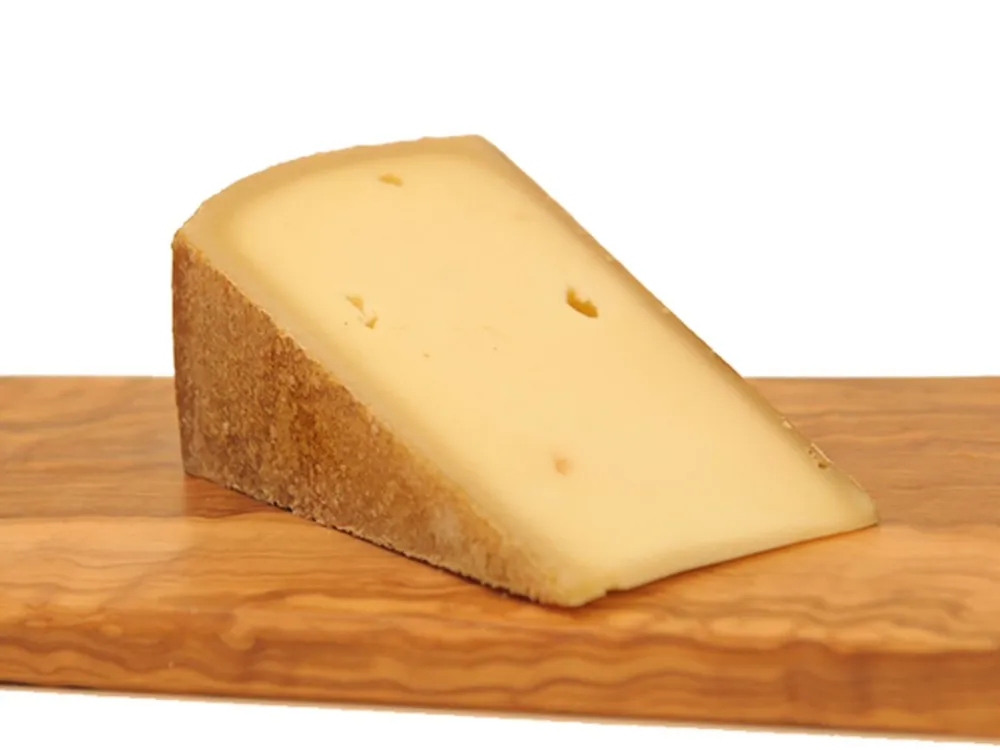
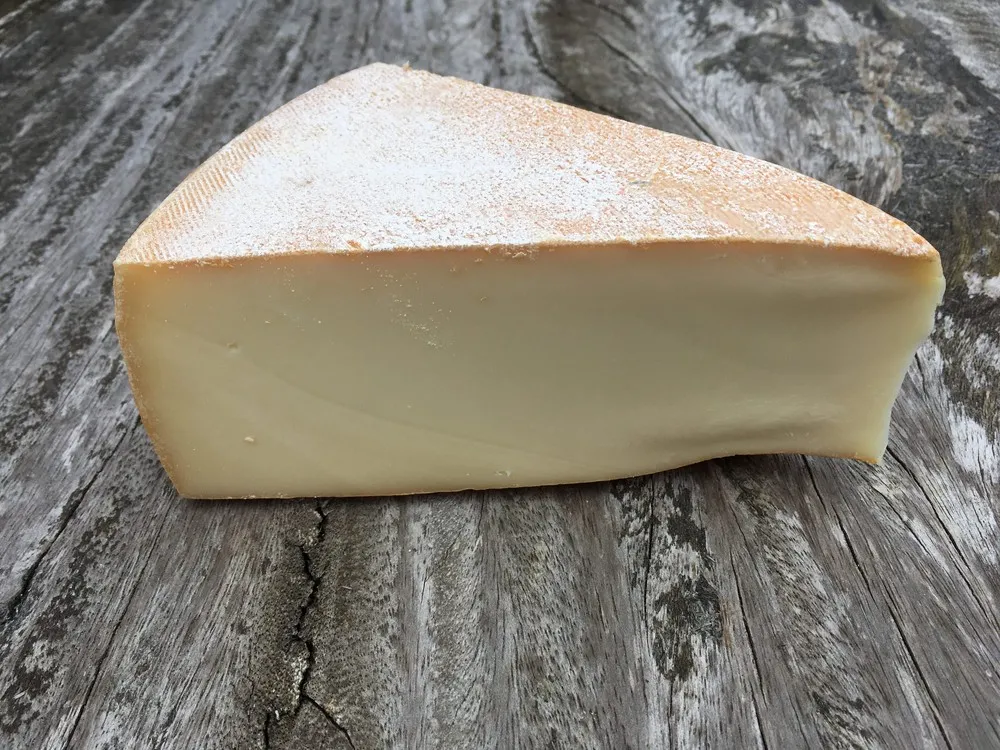
Raclette (or in its proper French name: Fromage a Raclette) is a semi-hard cheese produced in the French and Swiss Alps. It is traditionally known as Valais Raclette or Fromage a Raclette. The cheese is made from the unpasteurized milk of cows grazing on alpine meadows. The name Raclette comes from the French word 'racler,' which means 'to scrape' and is so called because Alpine cow herds would place the cheese next to a fire in the evening and then scrape the cheese across some bread, potatoes, pickles, or cured meats. The cheese has a thin, brownish-orange rind and a pale-yellow pate—or interior—with a few scattered open holes. It has a distinctive, pleasant, aromatic smell and a creamy texture reminiscent ofGruyere cheeses, which stays consistent even when melted. The flavor can vary from nutty, slightly acidic, to milky. Raclette cheese originates from the Swiss canton of Valais. It was first mentioned in historical records in the 12th century and was known as a simple roasted cheese for much of its history.Valais is known for its rich dairy farming traditions, with cows grazing on the lush alpine pastures. These cows produce high-quality milk that forms the foundation of superior raclette cheese. Today, raclette cheese is also made in other regions of Switzerland, France, and other countries with mountainous terrains and long-standing traditions of cheese-making techniques.Switzerland supplies around 80% of Raclettes, with most of the rest produced in France. French raclettes are slightly softer with a smoother and somewhat creamier consistency. Making raclette is a meticulous art that has been passed down through generations. After the milk is collected from the cows, it is heated and mixed with rennet to form curds. These curds are pressed into molds and aged for several months to develop raclette cheese's distinctive flavor and texture. The cheese wheels are regularly turned and brushed with a brine solution to promote proper ripening during aging. Because of its origins as a communal dining experience, the concept of a raclette party has not only endured but has become acherished tradition in many Alpine regions. The rich, nutty flavor of raclette cheese pairs perfectly with various accompaniments, making it a versatile ingredient in traditional and modern cuisine. Raclette cheese has a distinctive flavor that is both nutty and slightly fruity. It has a smooth, creamy texture that melts beautifully when heated.The aging process influences the cheese's taste, with younger raclette cheese having a milder flavor and older cheese developing a more robust and complex taste. The cheese's distinctiveness varies depending on the cow's diet, the season, and the specific production techniques cheesemakers use. Raclette cheese stands out among other cheeses due to its unique melting properties. Itbecomes soft and gooey when heated, making it perfect for melting and scraping onto different dishes. This melting quality sets it apart from many other cheeses, some of which actually harden when heated. Additionally, raclette has a rich history and cultural significance in Swiss and French cuisine and is a beloved ingredient in traditional dishes and fondue. Raclette cheese is a versatile cheese that can be used in various ways. Its main appeal lies in its melting capabilities, making it an excellent addition to hot dishes.The cheese is distinct enough to have its own special meal known as a raclette dinner; here, it is melted and scraped onto boiled potatoes, pickles, cured meats, and other accompaniments and then eaten while still hot. Raclettecan also be slicedand served cold in sandwiches, grated over salads, or even used in desserts, and often adds a unique twist to traditional recipes that call for less distinctive cheeses. Its smooth and creamy texture makes it perfect for cheese boards and charcuterie platters. Eating raclette cheese is a unique and social experience.Traditionally, a special raclette cheese melter is used to melt the cheese. The melted cheese is then scraped onto individual plates or accompaniments. As you might expect, the cheese pairs well with the boiled potatoes, charcuterie, onions, pickles, and crusty bread that Alpine natives typically consume it with, but experimentation with items that fit your palate is never a bad thing. Each person at the dinner customizes their plate with the desired amount of cheese and accompaniments. This sharing across the table makes the meal interactive and enjoyable and is one of the reasons that this cheese is a perfect option for gatherings and dinner parties, as it encourages conversation and sharing. Raclette cheese is typically sold in wheels or blocks.To prepare it for melting or serving, it is recommended that you first remove the rind, as ithas a strong taste that may not appeal to everyone. Once the rind is removed, the cheese can be sliced or grated, depending on your preference. When serving raclette as part of a titular ‘raclette dinner,’ it is best to have a dedicated cheese melter or a raclette grill to hand. This allows everyone at the table to melt the cheese to their preferred consistency and then scrape it onto their plates. If a cheese melter is unavailable, a raclette can still be melted in a regular oven or under a broiler, so long as you keep a close eye on it to prevent burning. Following a few simple steps can help you prepare a raclette dinner for yourself or perhaps even some guests at home. Raclette Sandwich: Raclette Salad: Melting raclette cheese into a gooey delight is part of the experience and a relatively easy skill to master if you follow these simple steps. Using a Raclette Melter: Using an Oven or Broiler: Now that you know more about raclette cheese, its origins, unique flavor, and versatile uses, you can embrace this delicious cheese in your culinary adventures. Whether you enjoy it in a traditional raclette dinner, as part of a sandwich, or paired with a salad, raclette cheese will surely add a touch of indulgence and flavor to your meals. So grab some raclette cheese and explore the many ways you can savor its creamy goodness!
Caracteristiques
- Famille
- Pâte pressée cuite
- Type de lait
- Vache