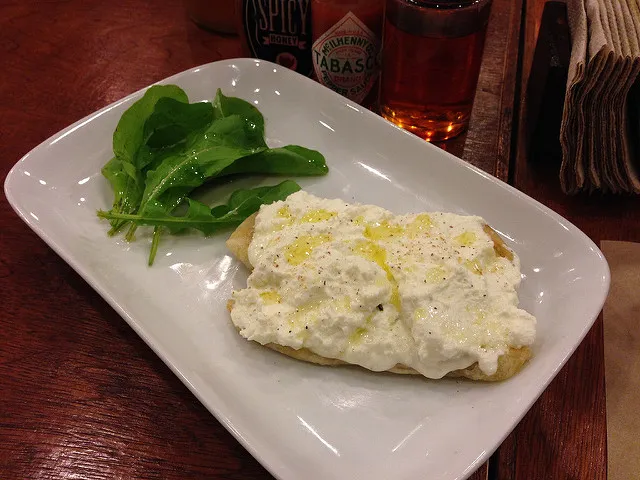
Ricotta
Ricotta is often called cheese, but technically, it's not. It's an Italian dairy product made from whey, the byproduct of cheese production, and so it doesn't fit the traditional definition of cheese.Despite this, its widespread culinary use and popularity have led to its common classification as a cheese. With this in mind, let’s consider its main qualities and why it gained such popularity worldwide. Ricotta is an Italian fresh cheese (usually referred to as cheese, as explained above) made from the whey left over from cheese production. It is made from sheep, cow, goat, or buffalo milk. The name "Ricotta" is derived from Italian, meaning "recooked, and it has been enjoyed for centuries as a staple in many Italian and Mediterranean cuisines. Fresh Ricotta cheese is smoother than cottage cheese and tastes mildly sweet. It is firm, not solid, and consists of a mass of refined, moist, delicate grains that are neither salted nor ripened. The light, consistency, and clean flavors make it a perfect accompaniment to a variety of recipes and dishes like lasagna, manicotti, cassata, cheesecake, calzone, pizza, ravioli, and dips. There are three distinct varieties of Ricotta:Ricotta salata, moliterna (ewe's milk whey), RicottaPiemontese(cow's milk whey + 10% milk), and Ricotta romana (a byproduct of Romano cheese production). When it comes to nutrition, Ricotta cheese is an excellent option. It is rich in protein, calcium, and other essential nutrients, making it a beneficial addition to a balanced diet. Additionally, Ricotta is lower in fat than many other kinds of cheese, so it’s also a healthier choice for those watching their calorie intake. However, as with any food, moderation is key. It's important to note that Ricotta cheese is made using whey, the liquid that remains after the curds have been separated. This means that it may contain lactose. If you have lactose intolerance or a milk allergy, it's best to consult with a healthcare professional before consuming Ricotta cheese. However, it is suitable for persons with casein intolerance; the casein is filtered away from whey during the cheese-making process. Furthermore, Ricotta is a versatile ingredient that can be used in both sweet and savory dishes. Its creamy texture and mild flavor make it a popular choice for lasagnas, stuffed pastas, and desserts like cannoli. Ricotta cheese can also be mixed with herbs and spices to create a flavorful dip or simply spread over crackers. Another benefit of Ricotta cheese is its role in promoting bone health. Its high calcium content provides an essential aid in maintaining strong bones and teeth. Pairing Ricotta cheese with foods high in vitamin D, such as salmon or fortified cereals, can further enhance its bone-strengthening properties. In terms of nutrition, Ricotta offers several valuable benefits. It is an excellent source of protein, with each serving containing approximately 14 grams. Protein is essential for muscle growth and repair and for maintaining overall health. Ricotta is also a great source of calcium, providing around 335 milligrams per serving. Calcium is crucial for developing and maintaining healthy bones and teeth and is an essential mineral utilized for numerous bodily functions. Furthermore, Ricotta is relatively low in calories compared to other types of cheese. One 114-gram serving of Ricotta contains 169 calories, making it a suitable choice for those mindful of their daily calorie intake. Aside from its nutritional benefits, Ricotta cheese is a versatile ingredient that can be used in various dishes. Its creamy texture and mild flavor make it a popular choice for sweet and savory recipes. Ricotta is commonly used in Italian cuisine, where it is a key ingredient in dishes such as lasagna, cannoli, and stuffed pasta. Additionally, Ricotta cheese can be incorporated into breakfast dishes such as pancakes, muffins, and smoothies to add a rich and creamy element. Its subtle taste complements a wide range of flavors, making it a versatile addition to any meal. Ricotta cheese is an incredibly useful ingredient that can be used in both sweet and savory dishes.Its mild and creamy taste makes it an ideal addition to many recipes. Here are some creative ways to incorporate Ricotta cheese into your cooking: Ricotta can also be used in savory tarts and quiches. Its creamy texture adds a luxurious element to these dishes, especially when paired with spinach, sun-dried tomatoes, and a crumble offeta cheese. The combination of flavors creates a harmonious blend that will surely impress your guests. Another exciting way to use Ricotta is in homemade gnocchi. Incorporate a little Ricotta into the gnocchi dough to achieve a pillowy, soft texture that pairs beautifully with a simple tomato sauce or browned butter and sage. The Ricotta adds a subtle richness to the gnocchi, elevating this classic Italian dish to a new level of comfort and flavor. Ricotta cheese has a mild and slightly sweet flavor. Its rich and creamy texture gives it a unique character that many love.The taste can be described as delicate and somewhat nutty, with a subtle hint of sweetness. This makes Ricotta cheese a versatile ingredient that pairs well with both sweet and savory flavors. Ricotta cheese is typically made from pasteurized whey, which ensures that any harmful bacteria have been eliminated during production.Pasteurization involves heating the whey to a specific temperature to kill potential pathogens. However, it's always a good idea to check the label or consult the manufacturer if you need clarification or are unsure about the pasteurization status of the Ricotta cheese you are purchasing. Historically, Ricotta cheese has its roots in Italian cuisine.It was originally devised as a way to utilize the whey leftover from the production of other cheeses. Today, Ricotta cheese is enjoyed worldwide and is made in various countries using traditional and modern methods. The pronunciation of "Ricotta cheese" is "rih-KOH-tuh" ( IPA: /ɹɪˈkɑtə/, /ɹəˈkɑtə/)The emphasis is on the middle syllable, and the "t" is pronounced softly, almost like a "d" sound. Now that you know how to pronounce it, you can confidently share your love for Ricotta cheese with others! By understanding Ricotta cheese, its health benefits, nutritional profile, and various ways to use it in cooking, you can confidently explore this versatile ingredient. Whether you indulge in a creamy lasagna or whip up some fluffy Ricotta pancakes, Ricotta cheese will surely add a delicious touch to your culinary creations.
Caracteristiques
- Famille
- Pâte fraîche
Valeurs nutritionnelles (pour 100g)
- Calories
- 179 kcal
- Proteines
- 9.7 g
- Lipides
- 14 g