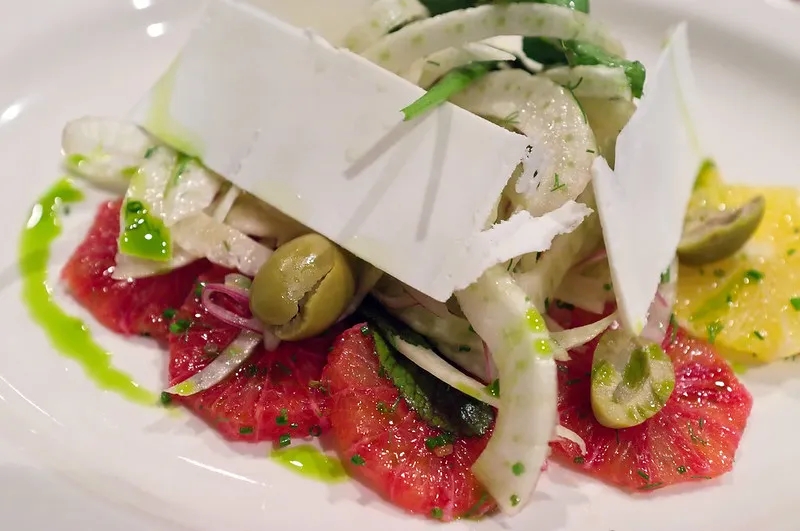
Ricotta Salata
Ricotta Salata is a variety of Italian cheese made from sheep's milk whey.The name "Ricotta Salata" translates to "salted ricotta" in English and is so named because of the way it is produced: salted and then left to age. Ricotta Salata begins life as the whey leftover from making other cheeses, such as Pecorino Romano or Parmesan. The whey is heated and then re-cooked, forming curds, which are then pressed. Ricotta Salata has a mild, slightly saline flavor, and the firm texture makes it suitable for grating or crumbling over salads and pasta dishes. Ricotta Salata is often confused with traditionalricotta cheese. While they share a similar name, the two have some key differences regarding origins, taste, production process, and where best to use them. One of the main differences between ricotta salata and regularricottais the texture.Ricotta Salata is a firm, aged cheese with a texture that stands in marked contrast to Ricotta cheese, which is soft and creamy. This contrasting density gives Ricotta Salata a distinct flavor and allows it to be used in different ways in culinary applications. This difference is due to the level of moisture. Ricotta cheese has a lot of it, while Riccota Salata does not. Ricotta salaat’s taste is also unique: it has a slightly salty and tangy flavor with subtle hints of sweetness. This distinct flavor profile pairs well with a variety of ingredients, making it a versatile cheese in the kitchen. When it comes to the aging process, Ricotta Salata undergoes a period of aging, which contributes to its firm texture and concentrated flavor. The aging process allows the cheese to develop nuance and a denser consistency, making it a popular choice for grating over pasta dishes or salads. In terms of origin, Ricotta Salata is traditionally made from the whey of sheep's milk, which adds a unique richness and depth of flavor to the cheese. This time-honored method of production gives Ricotta Salata its authentic taste and texture, making it a staple in Mediterranean cuisine. Originally from Italy, Ricotta Salata is a traditional cheese widely used in Italian cuisine. It is prevalent in Sicily and Sardinia, where it has been produced for centuries. The production of Ricotta Salata has since expanded to other countries worldwide, but the Italian varieties are still highly regarded for their quality and authenticity. Ricotta Salata is a firm, salty cheese typically aged for at least three months. The aging process gives the cheese a crumbly texture and a sharp, tangy flavor perfect for grating over pasta dishes or salads. In Sicily, it is often used in traditional dishes like pasta alla norma, which adds a rich and savory element. Despite its name, Ricotta Salata is not made from ricotta cheese but rather from the whey left over from the production of other cheeses like Pecorino Romano. The whey is heated and acidified to separate the curds, which are then pressed into molds and aged. The resulting cheese is versatile and can be enjoyed independently or as a key ingredient in various recipes. Ricotta Salata has a unique taste that sets it apart from other cheeses. Its slightly salty and tangy flavor is balanced by a subtle sweetness that adds depth to dishes.The extended aging process also lends the cheese a more robust and complex taste; its texture becomes firmer and more crumbly. This makes it perfect for grating over a piping hot bowl of pasta, where it melts slightly, coating each strand with a luxurious creaminess. The saltiness of Ricotta Salata enhances the flavors of various ingredients, making it a fantastic addition to salads, roasted vegetables, or pasta dishes. Its subtle sour notes provide a delightful contrast to rich or creamy recipe components and really helps to balance out such dishes. When Ricotta Salata is crumbled over a fresh arugula salad, for example, its salty notes mingle with the peppery greens, creating a harmonious blend of flavors. The cheese’s tangy undertones can also cut through the richness of creamy risotto, elevating each spoonful via a burst of savory complexity. The cheese's inherent sweetness emerges when paired with ripe figs or honey, offering a delightful contrast to their natural sugars. The production of Ricotta Salata involves several steps to achieve its distinctive characteristics.The leftover whey from cheesemaking is collected and heated until it reaches around 185°F (85°C), a temperature which causes the proteins in the whey to coagulate. The whey is then drained, leaving behind the curds. The curds are pressed into molds and aged for several weeks so the cheese has time to develop its firm texture and unique flavor profile. As we have seen, the longer the cheese is aged, the more pronounced its taste becomes. Most commercially available Ricotta Salata is made from pasteurized milk, which has been heat-treated to kill harmful bacteria and pathogens.While some variations of artisanal, unpasteurized Ricotta Salata are available, they are less common and may have limited availability. It is essential to check the label or consult with the cheesemaker to determine if the Ricotta Salata you purchase is made from pasteurized or unpasteurized milk, especially if you have specific dietary concerns or preferences. Ricotta Salata's versatility makes it an excellent addition to a wide array of dishes. Here are some popular ways to use Ricotta Salata: Of course, feel free to experiment with Ricotta Salata to discover new and delicious ways to incorporate this unique cheese into your favorite recipes. Ricotta Salata is a flavorful cheese that sets itself apart from ricotta cheese with its firm texture, lower moisture content, and distinct taste. Originating from Italy and widely used in Italian cuisine, Ricotta Salata offers a tangy, slightly salty flavor profile that enhances various dishes. Ricotta Salata adds a delightful twist to any culinary creation, whether grated over salads or pasta, crumbled onto roasted vegetables, or used as a topping for appetizers.
Caracteristiques
- Famille
- Pâte pressée cuite